Award-Winning Home Renovation Contractor: Reinvent Your Home With Expert Design and Superior Craftsmanship
Home renovation can enhance significantly both aesthetics and practicality. A highly-regarded renovation specialist plays an important role in this transformation. Their proficiency integrates innovative design with skilled workmanship, ensuring that each project meets the homeowner's vision. However, not all builders are identical. Grasping the key qualities and steps required is necessary for a favorable result. What should property owners evaluate when starting on this journey?
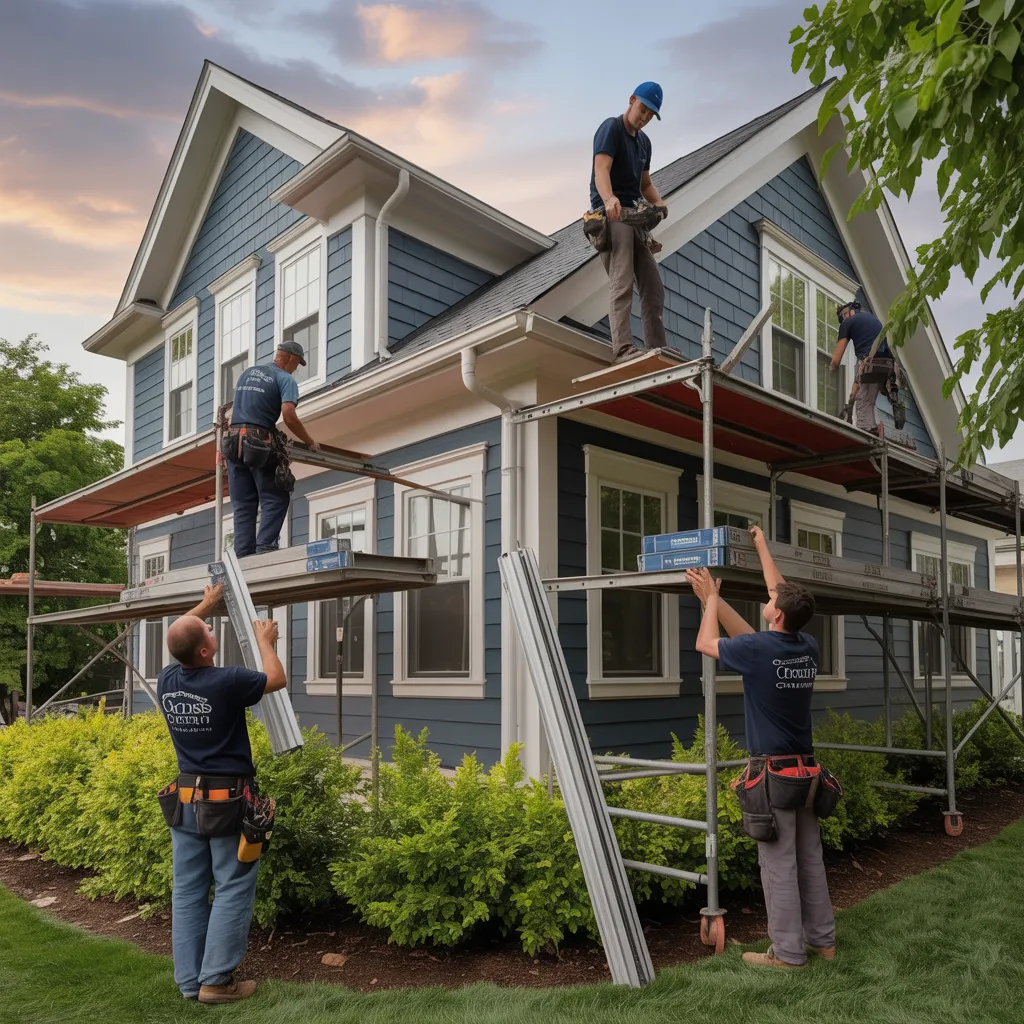
The Weight of Partnering with a Top-Rated Restoration Contractor
When beginning a remodeling job, the decision to retain a excellent contractor can substantially impact the outcome. A competent contractor demonstrates the proficiency and track record essential to handle the complexities of home renovations. They can provide useful recommendations into design choices, supplies, and timelines, ensuring that the undertaking corresponds with the homeowner's objectives and spending limit.
Highly-regarded contractors frequently come with favorable feedback and a robust portfolio, showcasing their previous work and client satisfaction. This standing can build trust in property owners, decreasing worry related to significant home improvements. Additionally, a well-established professional is likely to have established relationships with vendors and trade partners, which practical tips can lead to better pricing and superior material standards.
Ultimately, hiring a top-rated remodeling contractor not only enhances the potential for a prosperous project but also promotes a collaborative environment where ideas and inspiration thrive, resulting in a transformed home that captures the homeowner's aspirations.
Important Traits to Evaluate When Selecting a Renovation Contractor
Selecting the right renovation specialist goes beyond simply examining testimonials and past work; it requires identifying particular characteristics that guarantee a successful partnership. First, a well-regarded professional must have strong communication skills, ensuring that they can clearly articulate ideas and listen to client requirements. Next, expertise in the specific type of remodeling project essential is essential, as it demonstrates a proven track record of quality work. Additionally, a good contractor should be properly certified and covered, providing assurance regarding risk protection and security. Reliability is another critical quality; a contractor should adhere to schedules and costs, minimizing unforeseen setbacks. Ultimately, a solid portfolio showcasing diverse completed projects demonstrates an ability to adapt to different aesthetics and client desires. By focusing on these attributes, homeowners can make informed decisions when hiring a renovation specialist, ultimately resulting in a successful home transformation.
Best Home Improvement Initiatives Worth Thinking About
Homeowners typically confront countless alternatives when considering remodeling projects, each delivering one-of-a-kind perks and improvements. Kitchen renovations represent among the most favored undertakings, which can substantially improve operational efficiency and visual aesthetics. Enhancing countertops, cabinets, and appliances not only refreshes the space but also enhances the value of the home.
Bathroom renovations are another popular selection, establishing a oasis for rest and grooming. Homeowners often prefer contemporary equipment, refined tiling, and improved layouts to enhance ease.
In addition, basement completion has picked up momentum as a means to expand living space, establishing versatile areas for entertainment and home offices.
Exterior upgrades, such as deck constructions or outdoor landscaping, also continue in popularity, allowing homeowners to increase their outdoor satisfaction. Each of these ventures not only transforms the living environment but can also yield a considerable return on investment.
The Design Strategy: Partnering With Your Project Manager
The design process in home improvement requires a critical collaboration between the resident and the construction professional. During the initial consultation meeting, thoughts and aspirations are communicated, creating the groundwork for the project. Subsequent to this, design modifications occur, facilitating refinements and in the end leading to approval before construction begins.
First Assessment Gathering
How does an initial consultation meeting establish the foundation for a thriving renovation? This pivotal first step allows homeowners and contractors to create a shared comprehension of the project's vision and goals. During this session, clients share their ideas, needs, and budget, while contractors assess the space and provide insights on practicality. Strong communication is essential, as it builds collaboration and trust between both parties. Contractors may also share collections of past projects, providing ideas and demonstrating their expertise. By resolving any issues and planning schedules, the initial consultation establishes the foundation for a productive relationship. In the end, this session is crucial for aligning goals and ensuring that the remodeling project begins on a strong footing.
Design Development and Sign-off
As the design process develops, collaboration between homeowners and contractors becomes necessary for refining the project vision. This phase values effective communication, allowing both parties to share ideas, preferences, and concerns. Contractors share initial design concepts based on the homeowner's input, which triggers iterative revisions. Each design iteration serves as a basis toward the final layout, including feedback and making necessary adjustments. Homeowners should feel encouraged to express their thoughts, ensuring the design meets their aspirations. Approval of the final design marks a important milestone, solidifying the project blueprint. This collaborative approach fosters a sense of ownership and satisfaction, paving the way for successful implementation and ultimately transforming the home into a personalized living space.
Understanding the Expenses of Home Remodeling
Understanding the monetary burden associated with home renovation is essential for any property owner planning a project. Budgeting effectively requires not only accounting for the main expenses but also recognizing hidden charges that may arise during the remodeling process. Awareness of these monetary factors can help guarantee a smoother and more rewarding remodeling experience.
Managing financial resources for Your project
Budgeting for a home remodeling project requires meticulous assessment of multiple costs at stake. Homeowners should initiate by determining the breadth of the project, which will markedly affect the total budget. Key expenses typically feature materials, labor, permits, and design fees. It is essential to survey and obtain quotes from multiple contractors to establish a realistic estimate. Additionally, homeowners should contemplate whether they will undertake any of the work themselves, which can reduce labor costs. Establishing a contingency fund is also prudent, as it accommodates for unexpected expenses that may arise during the renovation process. By deliberately analyzing these factors, homeowners can create a all-encompassing budget that aligns with their financial capabilities and project goals.
Overlooked Expenses You Should Consider
While property owners often focus on the significant costs of a remodeling project, they may overlook numerous concealed expenses that can significantly impact the total expenditure. These expenses can encompass permits and inspections, which vary by location and project type. Unexpected building problems, such as deterioration or obsolete electrical systems, may also occur throughout remodeling work, requiring additional funds. Property owners should also consider the costs of temporary housing if the project requires extensive work. In addition, design changes throughout the project can result in increased expenses, as can the selection of high-end materials. Finally, post-remodeling costs, such as new furnishings or yard work, can additionally strain the finances. Understanding of these hidden expenses is crucial for sound budget management.
Tips for a Successful Home Remodeling Project
A fruitful home renovation experience copyrights on detailed planning and open communication. Homeowners should begin by determining a reasonable budget and timeline, accounting for potential delays and unexpected costs. Hiring a reputable remodeling contractor is essential; they bring skill and can offer insights that save time and money.
Homeowners should also create a detailed design plan, featuring materials and finishes, to ensure a cohesive vision. Regular check-ins with the contractor help maintain alignment on progress and resolve any concerns promptly. Communication should stay open and proactive, promoting a team-oriented environment.
Furthermore, it's wise to get prepared for disruptions by creating a temporary living space, particularly for larger projects. In the end, persistence is crucial; renovations can be stressful, but a constructive mindset will contribute to a smoother process and contentment with the final outcome. By adhering to these tips, homeowners can enhance their renovation experience and achieve their desired results.
Commonly Asked Queries
What Length of Time Does a Standard Remodeling Project Usually Take to Finish?
A conventional home renovation can take anywhere from a few weeks to several months to complete. Factors influencing the timeframe include scope of work, intricacy, and the productivity of the construction professionals and subcontractors.
What Categories of Coverage Do Home Remodeling Contractors Extend?
Home renovation contractors typically provide warranties on workmanship, materials, and appliances. These warranties can range from one year to a lifetime, contingent upon the contractor and specific project details, offering assurance to homeowners regarding excellence and longevity.
What's the Optimal Way to Verify a Contractor's Qualifications and Protection?
To verify a contractor's credentials and coverage, one can consult state regulatory agencies and digital records. Additionally, obtaining copies of insurance policies directly from the contractor guarantees coverage is current and satisfies required standards.
What May I Do if I'm Dissatisfied With the Work?
In case dissatisfaction develops, the homeowner should discuss issues directly to the contractor. Track issues, study the agreement, and aim for friendly outcome. If continuing unresolved, seek mediation or contacting local regulatory authorities for supplementary assistance.
Can You Find Financing Options for Home Remodeling Projects?
Many remodeling contractors offer various financing options, including personal loans, home equity credit options, and payment plans. Property buyers should explore available options to select a solution that aligns with their financial plan and renovation scope effectively.
Comments on “Consulting the Best Home Remodeling Expert”